
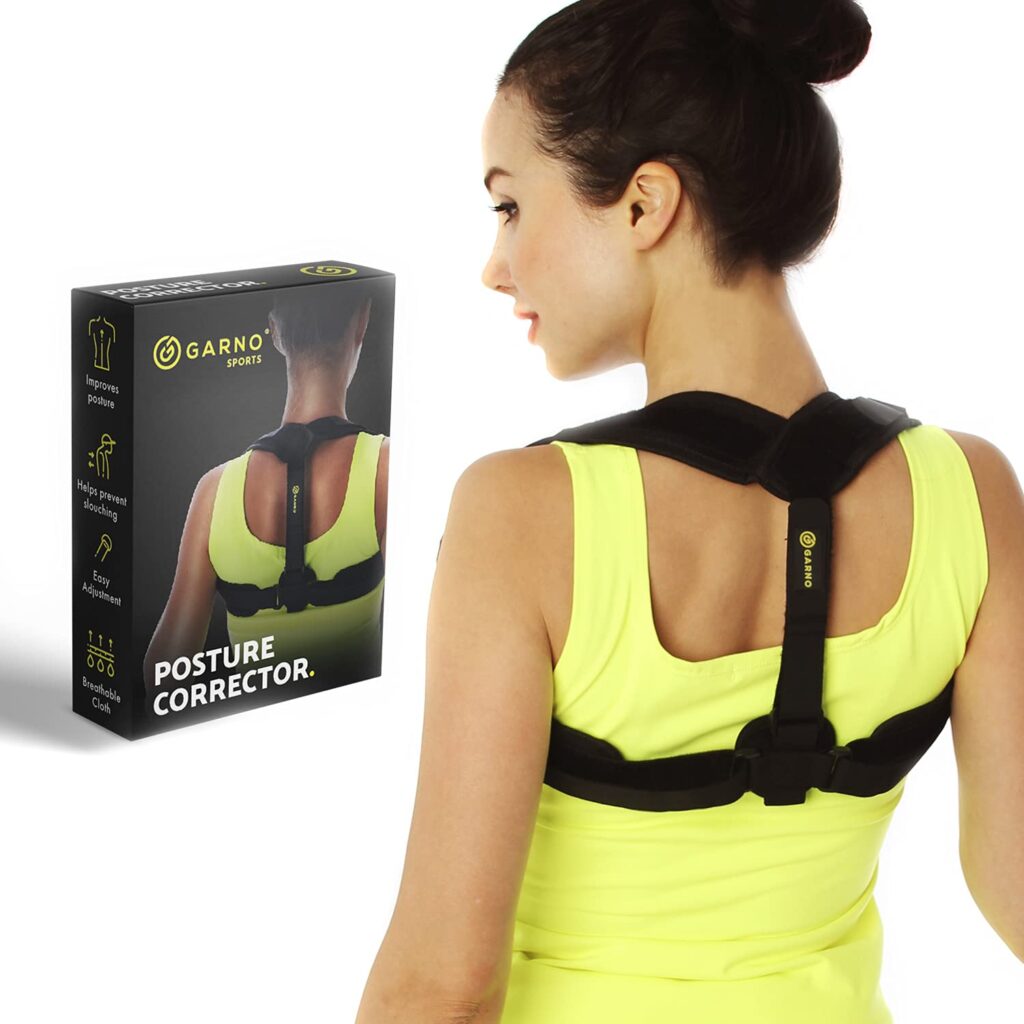
Having good posture is essential for your overall health and well-being. A back brace posture corrector or spine corrector can be an effective way to help improve your posture and reduce stress on your body. If you are looking to improve your posture with a posture corrector, then this blog post is for you. Here we will provide you with 7 tips to help you get the most out of your posture corrector.
1) Check if you have poor posture.
Good posture is important for overall health and well-being, but not everyone realizes they have poor posture until it has been pointed out. Poor posture can result from prolonged sitting or standing in a certain position. It can also result from incorrect habits such as slouching or not keeping your back straight. It’s important to check if you have poor posture, as this can lead to chronic pain and other health issues.
Observing yourself in the mirror is one way to check if you have poor posture. Do you stand up straight with your shoulders back? Are your hips in line with your shoulders? Are your arms in a neutral position? If any of these are not correct, it could mean you have poor posture.
Another way to check for poor posture is to try out a posture correction product such as a back support brace posture corrector or a posture helper. This device can provide feedback on how well you’re keeping your back straight and guide how to improve your posture. Wearing a spine straight posture corrector can also help remind you to keep your spine in a neutral position.
2) Set a goal for your posture improvement.
Setting a goal for your posture improvement is an important step before you begin using a posture corrector. Poor posture can cause many health issues and can be difficult to correct without the help of a posture correction device. To start, determine which type of posture corrector is best for you—a back support brace posture corrector or a spine straight posture corrector. Then set a goal for how much improvement you’d like to achieve with the use of your posture helper. Are you looking to just slightly improve your posture? Or do you want to achieve a perfectly straight spine? By setting a realistic goal and committing to working towards it, you can maximize the effectiveness of your posture corrector.

3) Follow the instructions when wearing your posture corrector.
When using a posture corrector, it is important to wear it correctly. Make sure you read the instructions carefully before using your posture corrector. Generally, when wearing the corrector, ensure that it fits snugly around your body and provides a gentle pull to maintain your natural body posture. You should feel the tension in your back and shoulders while wearing the corrector, but not too much to be uncomfortable. Your main goal is to keep your spine straight, so make sure the posture corrector is adjusted to ensure your spine is in the proper alignment.
Read more: How Does GARNO Posture Corrector Work?
4) Do not wear your posture corrector for more than 2 hours per day.
It is important to remember not to wear your posture corrector for more than 2 hours per day. Prolonged use can make your muscles lazy and impair your posture development. You don’t want to become dependent on the posture corrector for maintaining a straight spine. A posture corrector should only be used to support your muscles as you perform daily activities such as sitting at a desk or driving a car.
The best way to get the most out of using a posture corrector is to use it in short intervals throughout the day. When you take it off, practice proper posture exercises and stretches to help keep your back straight. Over time, you will begin to notice improved posture without needing a posture corrector.
5) Wear your posture corrector consistently.
Improving your posture with a posture corrector is only possible if you wear it consistently. If you don’t wear the posture corrector regularly, your body will not be able to adjust to its presence and the corrective effect of the posture corrector will be lost. This is why wearing your posture corrector consistently is so important.
When wearing your posture corrector, you should aim to wear it as often as possible. You should also strive to wear it for a longer period of time each day. The more often and the longer you wear your posture corrector, the more effective it will be in helping you improve your posture.
It’s also important to ensure you’re wearing the posture corrector properly. Make sure it fits snugly around your body and is comfortable to wear. If it is too tight or loose, it won’t be as effective in helping you improve your posture.
Finally, don’t forget to take a break from wearing your posture corrector. Even though wearing it consistently is important, it’s also important to give your body some rest. You should take a break from wearing your posture corrector at least once a day, even if it’s just for a few minutes. Taking breaks will help your body adjust to the posture corrector and allow it to benefit from its use more effectively.
6) Use other methods to improve your posture in addition to wearing a posture corrector.
Here Posture correction does not stop at simply wearing a posture corrector. There are other methods as well that may help you improve your posture. To improve your posture here are a few tips to keep in mind to improve your posture.
- Exercise: Regular physical activity helps strengthen the muscles and build endurance which can help maintain good posture. Try adding strength and flexibility exercises like yoga, Pilates, or tai chi to your daily routine.
- Stand up: Try to stand or sit up straight now and then to help keep your spine upright. Keep your head straight, your shoulders back, and your abdominal muscles pulled in.
- Desk ergonomics: Make s desk and computer setup optimized for proper posture. Place the monitor at eye level and keep the keyboard in front of you.
- Posture reminders: Set reminders to check your posture throughout the day to ensure you sit or stand up straight.
- Take breaks: Make sure to get up and move around every now and then to help release tension in the back and neck muscles.
By following these steps, you can improve your posture in addition to wearing a posture corrector. This will help you achieve long-term posture improvement and maintain healthy posture habits.

7) Check if your posture has improved after using a posture corrector.
Though a posture corrector may be helpful to those seeking to improve their posture, it is important to ensure their posture improves.
If you put on the correction, you might see an immediate change in posture. Your spine should be more aligned, and your back muscles should feel more engaged. In addition, your neck and shoulder tension should decrease. It’s also important to note that improvements in posture aren’t always seen immediately.
It can take some time for your body to adjust to the support of the posture corrector. To monitor your progress, taking regular photos or videos of yourself while wearing the corrector is a good idea. This will allow you to compare your posture before and after using the device.
Suppose you have been wearing your posture corrector for several weeks but haven’t seen any improvements. In that case, it might be time to consider other methods of improving your posture, such as seeing a physiotherapist or chiropractor. They can provide tailored advice and exercises to help you improve your posture.
Ultimately, the key is to be patient and consistent with using a posture corrector. It takes time and dedication to see results, but with the right care and attention, you should be able to improve your posture over time.


