
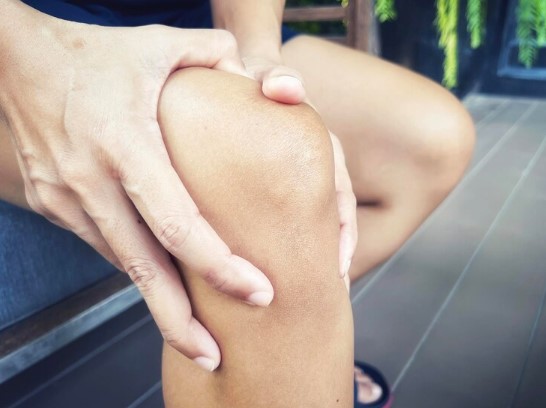
Knee injuries can be debilitating, particularly when it comes to the meniscus. The meniscus is a small piece of cartilage in the knee joint prone to tearing. The resulting knee pain and inflammation can make it difficult to walk or even stand. Fortunately, knee support for meniscus tears can provide significant relief during recovery. A brace for a meniscus tear is one of the most popular and effective forms of support. In this blog post, we’ll explore some common questions about knee support for meniscus tears and how it can help you get back on your feet.
What is a Meniscus Tear?
The meniscus is a C-shaped piece of cartilage that sits between the femur and tibia bones in the knee joint. Its main function is to protect the knee by acting as a shock absorber. However, it is vulnerable to tearing due to sudden twists or blows to the knee. A meniscus tear is a common injury that can cause pain, swelling, and limited mobility in the knee.
If you suspect you have a meniscus tear, it is vital to seek medical attention immediately. A doctor will typically diagnose a meniscus tear through a physical examination and imaging tests such as an MRI. Depending on the severity of the tear, your doctor may recommend surgery or non-surgical treatments such as physical therapy and knee support.
One way to support the knee and protect the meniscus while it heals is through a meniscus tear brace. These braces can help reduce pain and swelling and provide stability to the knee joint. Knee support for meniscus tears can be beneficial during physical activities such as running, jumping, and twisting.
Overall, taking care of your knee and seeking medical attention is crucial if you suspect you have a meniscus tear. By taking steps such as using a meniscus tear brace and following a rehabilitation program, you can help support your knee and aid in the recovery process.
How Do I Know If I Have a Meniscus Tear?
If you have experienced a knee injury, paying attention to any discomfort or pain you may feel in your knee joint is essential. Meniscus tears are one of the most common types of knee injuries and can be identified through a few telltale signs.
The meniscus is a cartilage in the knee that acts as a shock absorber between the thighbone and the shinbone. If you have a meniscus tear, you may experience pain, swelling, or stiffness in your knee joint. You may also feel a popping sensation when you bend or straighten your knee.
To protect your knee and meniscus and aid in recovery, it is vital to seek medical attention if you suspect a meniscus tear. A healthcare provider can evaluate the extent of your injury and provide appropriate treatment options.
A meniscus tear brace is one option to support your knee and meniscus during recovery. This brace can provide compression and support to the knee joint, reducing pain and promoting healing. It is vital to wear the brace as directed by your healthcare provider to achieve the best results.
In summary, if you suspect a meniscus tear, it’s essential to seek medical attention to identify the injury’s extent and find appropriate treatment options. Wearing a meniscus tear brace can help protect your knee joint and promote recovery.
How Can I Treat a Meniscus Tear?
Treating a meniscus tear can be daunting, but there are several effective ways to alleviate your pain and help speed up your recovery. Here are some of the most common treatment options for meniscus tears:
- Protect your knee: To prevent further damage, it’s crucial to protect your knee. Avoid any activities that cause pain or discomfort, and use crutches or a knee brace to support your knee while you’re walking or moving around.
- Rest: Take a break from strenuous activities and give your knee time to rest. Keep your knee elevated as much as possible to reduce swelling.
- Ice: Apply ice to your knee for 20 minutes, three to four times a day. This can help reduce swelling and relieve pain.
- Medication: Over-the-counter pain relievers like ibuprofen and acetaminophen can help alleviate pain and reduce swelling.
- Physical therapy: A physical therapist can teach you exercises to strengthen your knee and improve your range of motion. This can help speed up your recovery and prevent future injuries.
- Knee support: Wearing a knee brace or compression sleeve can provide extra support and stability to your knee. This can help alleviate pain and prevent further damage to your meniscus.
Remember to consult with your doctor or physical therapist before starting any treatment plan. Every injury is different, and they can help you create a personalized treatment plan for you.
What Are Some Non-Surgical Treatment Options for Meniscus Tears?
If you have a meniscus tear, you may wonder if any non-surgical options are available for treatment. Fortunately, several methods can help you heal your knee and alleviate pain without surgery.
One crucial step you can take to support your recovery is to protect your knee from further damage. This can involve avoiding activities that put unnecessary strain on your knee, such as running or jumping. You may also need to adjust your daily routine to minimize your time standing or walking.
Another non-surgical option for treating a meniscus tear is to wear a knee support. These supports can provide compression and stability to the knee joint, helping to reduce pain and prevent further damage. Many different types of knee supports are available, so it is essential to choose one designed specifically for meniscus tears.
In addition to protecting your knee and wearing support, you may also benefit from physical therapy. A trained therapist can guide you through exercises and stretches to help improve your knee’s range of motion and strengthen the muscles that support it. They may also recommend other techniques, such as icing or massage, to help reduce inflammation and relieve pain.
Finally, non-steroidal anti-inflammatory drugs (NSAIDs) can help manage pain and reduce swelling associated with meniscus tears. However, it is essential to use these medications under the guidance of a healthcare provider, as they can have side effects and interactions with other drugs.
Overall, there are several non-surgical options available for treating meniscus tears. By taking steps to protect your knee, wearing support, and working with a physical therapist, you can promote healing and get back on your feet in no time.
Read more: How to prevent joint injuries with GARNO straps?
How Do I Recover from a Meniscus Tear?
Once you’ve been diagnosed with a meniscus tear, it’s important to begin your recovery process as soon as possible. The recovery period can vary depending on the severity of the injury but typically takes several weeks to a few months. The goal of recovery is to strengthen the knee and protect the meniscus from further injury.
One of the most important aspects of recovering from a meniscus tear is giving your knee enough time to heal. This may mean taking a break from physical activity or sports for a period of time and using crutches or a brace to support the knee during everyday activities.
To further protect your knee during recovery, it may be helpful to use knee support. Knee supports provide extra support to the knee joint and can help to reduce pain and inflammation. They come in different styles, from simple neoprene sleeves to more advanced braces with hinges and straps. Talk to your doctor or physical therapist about which type of knee support is best for you.
In addition to using knee support, you can also do exercises to aid in your meniscus tear recovery. Strengthening exercises can improve the stability and flexibility of your knee. Exercises like squats, lunges, and leg curls can help build strength in the quadriceps and hamstrings, providing support for the knee joint.
Working with a physical therapist or healthcare professional is essential to determine the best exercises for your recovery. They can guide you through a personalized exercise plan to help you recover safely and effectively.
Overall, recovering from a meniscus tear requires patience, rest, and proper care for the knee joint. By using knee support and doing strengthening exercises, you can help to protect your knee and promote healing. Talk to your doctor or physical therapist to develop a plan for your meniscus tear recovery.
What Are Some Exercises I Can Do to Help My Meniscus Tear Recovery?
When recovering from a meniscus tear, it’s important to build up the strength and flexibility in your knee slowly. However, you also need to be cautious not to put too much strain on your meniscus, which can cause further damage. Here are some exercises that can help your recovery while also protecting your knee and supporting your meniscus:
- Quad Sets: Sit on the floor with your legs extended straight in front of you. Tighten the muscles on the top of your thigh and hold for 5-10 seconds. Release and repeat for 10 reps. This exercise strengthens the muscles that support your knee.
- Hamstring Curls: Lie on your stomach with a rolled-up towel under your ankle. Bend your knee, bringing your heel towards your butt. Hold for a few seconds and then slowly release. Do 10 reps on each leg. This exercise strengthens the hamstrings, which support the back of the knee.
- Wall Squats: Stand with your back against a wall and slide down until your knees are at a 90-degree angle. Hold for 10-20 seconds and then slide back up. Do 10 reps. This exercise strengthens your quads and glutes, which are important for knee stability.
- Straight Leg Raises: Lie on your back with one leg extended straight and the other bent. Slowly lift the straight leg up a few inches off the ground and hold for 5 seconds. Release and repeat for 10 reps on each leg. This exercise strengthens the hip flexors, which help support the knee.
Remember to always listen to your body and not push yourself too hard. If you feel pain or discomfort, stop the exercise and rest. Also, consider wearing a knee support brace during your exercises to provide extra support for your meniscus. With patience and dedication to these exercises, you can help speed up your meniscus tear recovery and get back to your normal activities.
GARNO Knee Support for meniscus
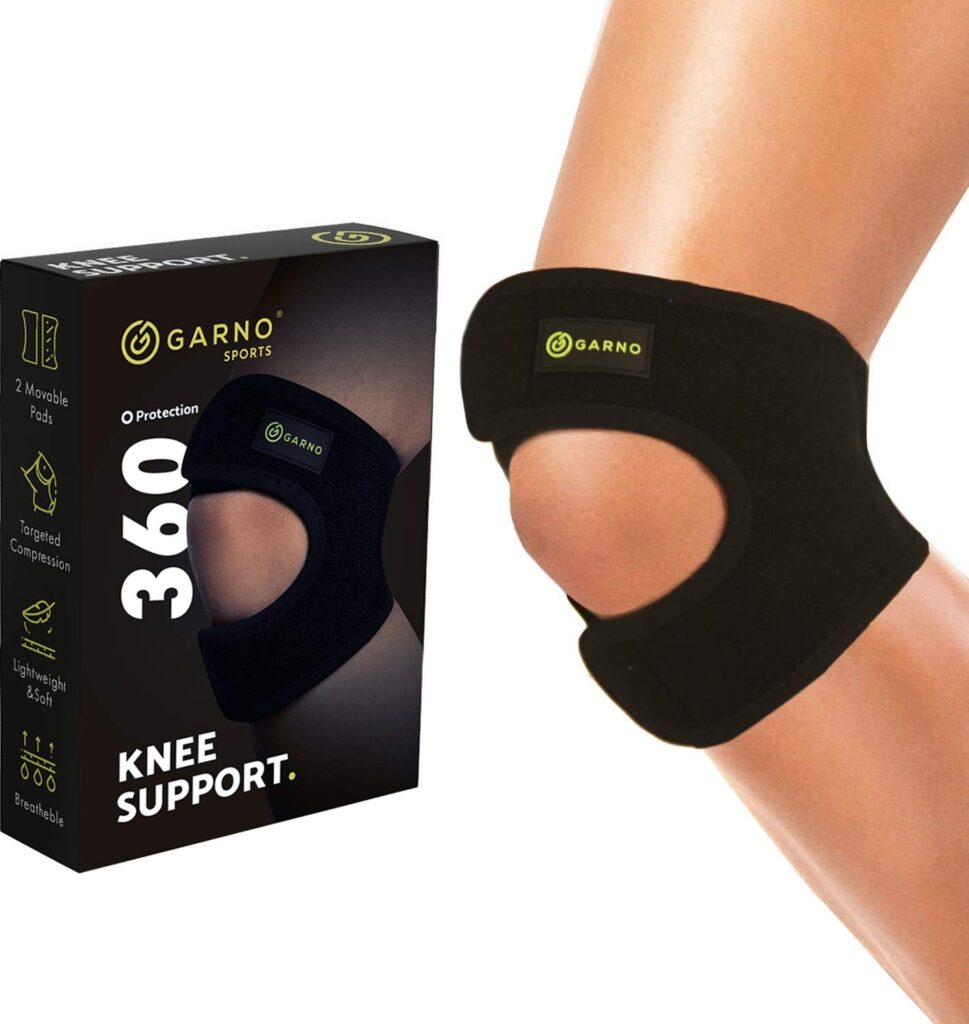
If you’re recovering from a meniscus tear, it’s essential to protect your knee and provide support to aid your recovery process. The GARNO Knee Support is an excellent option for those seeking additional help for their knee during recovery.
The GARNO Knee Brace is designed with an open patella for easy movement and is lightweight and breathable, allowing for all-day wear without discomfort. Made of neoprene, it is flexible and supportive, allowing for a range of motion while protecting your knee from further damage.
GARNO Knee Brace will provide much-needed protection and support to aid in your meniscus tear recovery. Don’t let knee pain keep you from getting back on your feet. Try the GARNO Knee Brace today! The GARNO Knee Brace protects your knee during recovery from a meniscus tear, providing essential support to the affected area.
With its open patella design, it allows for easy movement while still supporting the knee. Made from lightweight and breathable neoprene, it offers a flexible yet firm support system that can help protect the knee and the meniscus from further damage. Don’t hesitate to invest in the GARNO Knee Brace if you want to protect your knee and support your recovery from a meniscus tear.
GARNO Knee Brace offers structural support both above and below the knee, providing an overall boost of stability to protect knee meniscus support during recovery. The adjustable straps make it easy to customize the fit, ensuring maximum support and comfort.
The dual compression support can help reduce pain and discomfort through compression. It comes in three sizes; if you measure in between sizes, selecting the next size up is recommended. The dual design with adjustable compression helps keep the patella in place during physical activity.
Don’t hesitate to try the Dual Patellar Tendon Support Strap for added support during your meniscus tear recovery.
Read more: How GARNO Knee Brace Works?


